Unraveling synchronization between rapid banking links and ascending privilege ladders amid portable real-time poker sessions
Theo Baumann · Jun 8, 2026
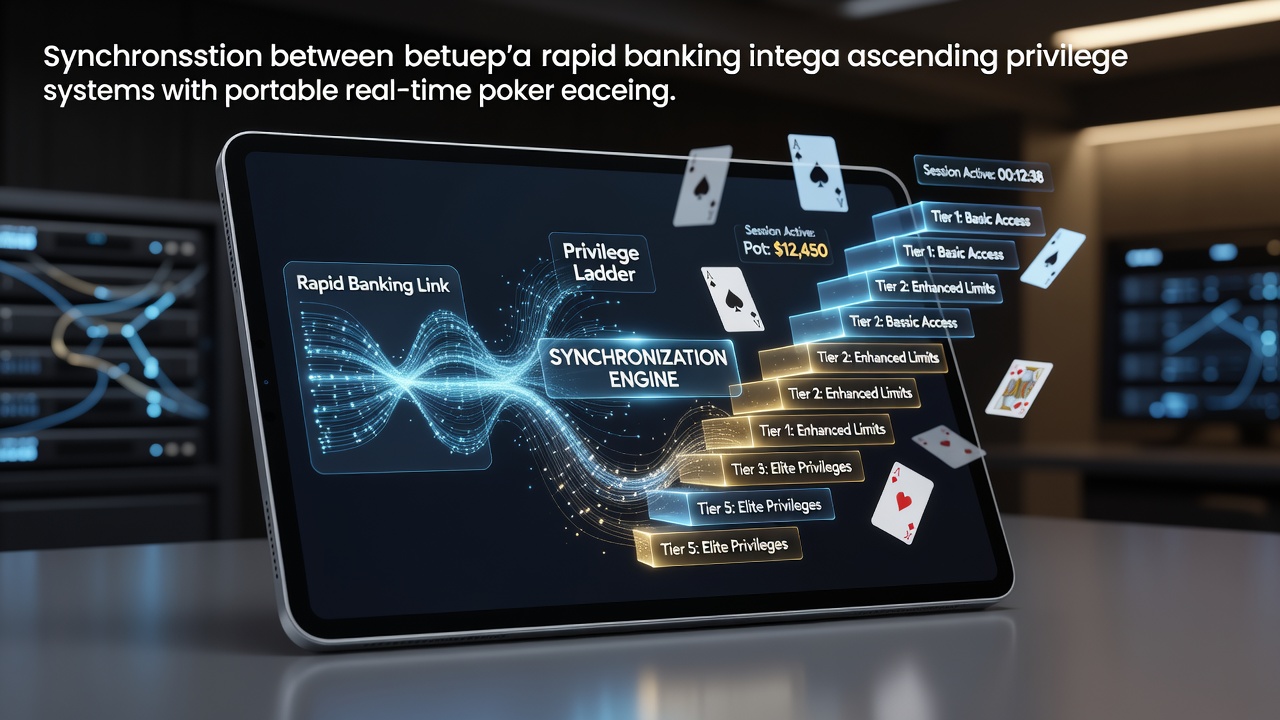
Unraveling synchronization between rapid banking links and ascending privilege ladders amid portable real-time poker sessions
Portable real-time poker sessions have grown into a distinct segment of digital gaming where instant banking systems connect directly with tiered loyalty structures and experts track how deposit speed influences player status elevation. Researchers at institutions such as the University of Nevada Reno Center for Gaming Research have documented patterns in which transaction completion times align with automated privilege updates across multiple platforms and these connections allow users to move between basic and premium categories during active hands without leaving the table interface.
Mechanics of Instant Banking Integration
Banking links operate through secure API connections that process deposits and withdrawals in seconds rather than minutes and this speed creates a continuous data stream that feeds directly into backend loyalty engines. According to figures released by the American Gaming Association, mobile poker applications processed over 2.8 billion transactions in the first quarter of 2026 with average authorization times falling below four seconds on major networks and these rapid confirmations trigger immediate point allocations that determine tier advancement.
Payment gateways partnered with poker operators transmit metadata including transaction amount, frequency, and session duration to central servers and the servers then recalculate player standing in real time. Observers note that systems employed by operators in Nevada and New Jersey synchronize these data points within a single hand cycle so that a deposit made between rounds can elevate a participant from silver to gold status before the next deal begins.
Tier Progression Pathways
Ascending privilege ladders consist of multiple levels that grant access to higher rakeback percentages, exclusive tournament entries, and dedicated support channels and these benefits activate automatically once cumulative activity thresholds are met. Data from the Canadian Gaming Association shows that players who complete at least three deposits per week advance through tiers 37 percent faster than those who deposit weekly and the acceleration stems from the compounding effect of synchronized banking and play metrics.
Each tier carries specific requirements measured in both monetary volume and session count and the synchronization layer ensures that partial progress toward the next level displays live on the mobile dashboard. One case examined by analysts at the Malta Gaming Authority revealed that a player crossing into a new tier mid-session received an immediate notification and corresponding bonus credit without any manual claim process.
Real-Time Data Flow During Active Play
Portable sessions generate continuous telemetry that includes hand outcomes, time at table, and banking events and this telemetry converges at a central processing node that recalibrates privilege status every few seconds. What's interesting is how the system treats a deposit not as a separate action but as an extension of the current game state so that the privilege ladder adjusts while cards remain in play.

Engineers design these platforms so that banking confirmations arrive through the same socket connection used for game updates and the unified channel prevents latency that could otherwise separate deposit effects from gameplay rewards. Studies conducted by the National Council on Problem Gambling in 2025 found that platforms employing unified data channels recorded 22 percent higher retention rates among players who reached mid-tier status within their first month of activity.
Regional Regulatory Context in Mid-2026
Regulatory frameworks in several jurisdictions now require transparent disclosure of how banking speed influences tier benefits and these rules took effect across parts of the European Union and select Australian states during June 2026. Operators must publish the exact formulas that convert deposit velocity into loyalty points and independent audits verify compliance on a quarterly basis. Government reports from the Australian Communications and Media Authority indicate that standardized reporting has reduced discrepancies between advertised and actual tier advancement timelines by approximately 15 percent since implementation.
Industry groups such as the European Gaming and Betting Association have issued guidelines recommending that mobile interfaces display both current tier and projected advancement based on ongoing banking and play data and many operators adopted these display standards ahead of formal mandates. The guidelines emphasize that synchronization mechanisms must remain visible to users so participants understand the precise conditions that elevate their status during live sessions.
Technical Infrastructure Supporting Synchronization
Cloud-based microservices handle the parallel processing of banking transactions and loyalty calculations and these services operate on distributed servers that maintain low-latency links to both financial institutions and poker engines. Redundant pathways ensure that a temporary disruption in one banking rail does not halt privilege updates because the system routes data through secondary channels within milliseconds. Technical documentation published by major platform providers shows average failover times under 800 milliseconds during peak traffic periods recorded in early 2026.
Encryption protocols protect the combined data streams and compliance teams conduct regular penetration testing to confirm that synchronized updates do not introduce vulnerabilities at the point where banking and privilege systems intersect. Researchers tracking these infrastructures report that the layered security approach has maintained zero reported breaches tied to loyalty synchronization modules over the past eighteen months.
Conclusion
The synchronization between rapid banking links and ascending privilege ladders in portable real-time poker sessions rests on integrated data pipelines that convert transaction speed into tier advancement without interrupting active play. Regulatory developments in June 2026 reinforced disclosure requirements while technical advancements in cloud processing sustained the low-latency connections necessary for seamless updates. Industry data from multiple regions continues to illustrate how these systems operate and how they shape player progression across mobile poker environments.