Unpacking the Dynamics of Algorithm-Driven Offer Personalization Tied to Transaction Histories in Smartphone-Based Gaming Suites
Olivia Friedrich · Jul 1, 2026

Unpacking the Dynamics of Algorithm-Driven Offer Personalization Tied to Transaction Histories in Smartphone-Based Gaming Suites
Smartphone-based gaming suites rely on complex algorithms that analyze transaction histories to generate personalized offers, and these systems process vast amounts of payment data, play patterns, and deposit frequencies to tailor promotions for individual users across mobile platforms. Developers integrate machine learning models that track every financial interaction within the app, from initial deposits to repeated withdrawals, which allows the software to predict user preferences with increasing accuracy over time. In July 2026 industry reports highlighted continued growth in these personalization techniques as mobile gaming revenue streams expanded globally.
Core Mechanisms Behind Transaction Data Analysis
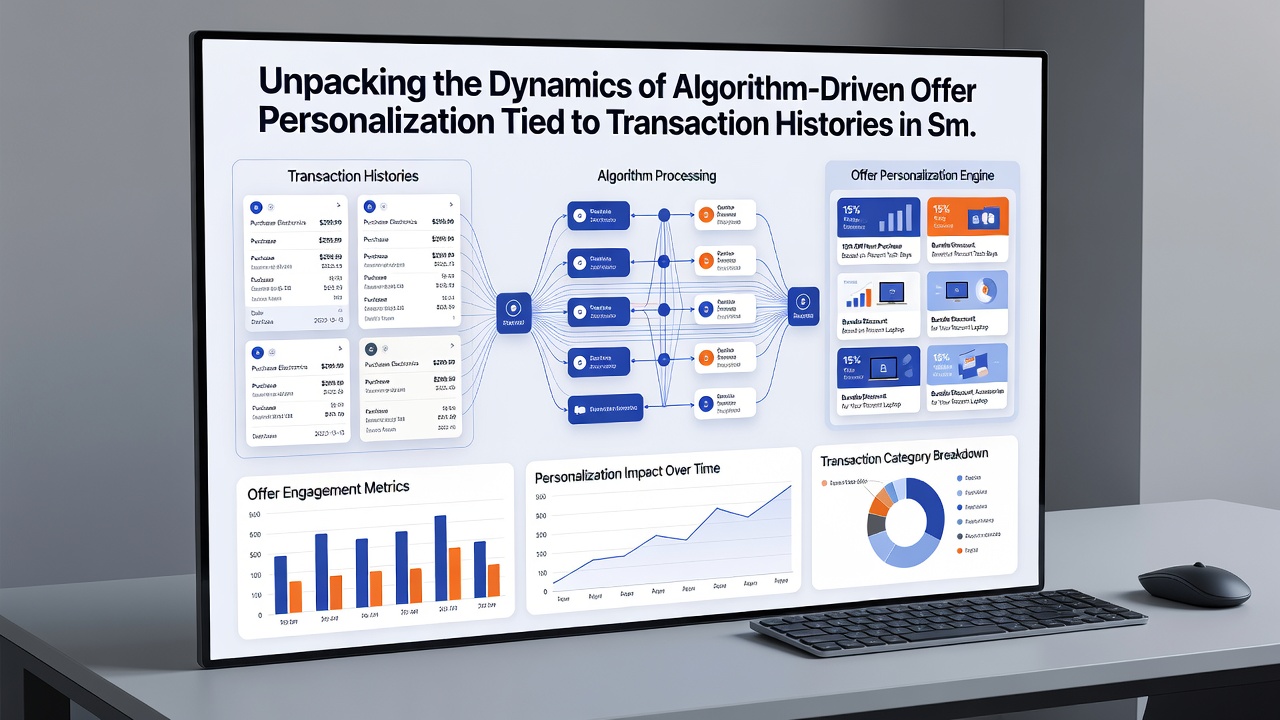
Algorithms examine sequences of transactions to identify spending velocity, preferred game types, and response rates to previous offers, which creates profiles that guide the timing and content of future promotions. These models often employ clustering techniques that group users according to similar financial behaviors while incorporating real-time adjustments when new data arrives during active sessions. Observers note that such processing happens within milliseconds on backend servers, ensuring offers appear seamlessly during gameplay without interrupting the user experience. Research from the American Gaming Association indicates that transaction-linked personalization can increase engagement metrics by aligning incentives directly with established user habits.
Data Integration Across Mobile Ecosystems
Transaction histories merge with additional signals such as device type, session duration, and geographic location to refine offer relevance, and this multi-layered approach enables gaming suites to deliver targeted bonuses like free spins or deposit matches at moments when users are statistically most likely to respond. Developers maintain secure databases that encrypt financial records while permitting rapid queries by the algorithmic engines responsible for personalization. People familiar with platform architecture point out that synchronization between payment processors and recommendation systems forms the backbone of these operations, allowing instantaneous updates whenever a new transaction occurs. Studies conducted through university partnerships have shown that integrated data flows support more precise segmentation than isolated metrics alone.
Impact on User Retention and Platform Economics
Personalized offers derived from transaction patterns contribute to retention by delivering value at critical decision points, such as after a losing streak or following a period of inactivity, and platforms measure success through metrics like repeat deposit rates and average session length. Economic analyses reveal that these systems optimize revenue by balancing promotional costs against projected returns from individual users, adjusting parameters continuously based on historical performance data. In regions with established mobile gaming markets, operators report that algorithm-driven personalization accounts for a substantial portion of promotional budgets, directing resources toward high-probability conversion opportunities rather than broad campaigns. Figures from the Australian Gambling Research Centre demonstrate measurable differences in retention outcomes when transaction history informs offer delivery compared with generic approaches.
Regulatory Considerations in Algorithm Deployment
Regulatory frameworks in multiple jurisdictions require transparency around how transaction data influences offer generation, and compliance teams work to ensure algorithms avoid practices that could be interpreted as exploitative while still meeting personalization goals. Licensing authorities examine audit trails that document decision pathways within these systems, verifying that financial histories do not lead to discriminatory targeting. Observers from industry oversight bodies emphasize that ongoing monitoring helps maintain fairness across diverse user groups, particularly as mobile suites expand into new markets during 2026. Data from the European Gaming and Betting Association shows increasing emphasis on documentation standards for algorithmic processes tied to monetary interactions.
Technical Evolution and Future Trajectories
Advancements in predictive modeling continue to enhance the precision of transaction-based personalization, incorporating deeper neural network architectures that forecast long-term user value and adjust offers accordingly. Integration with emerging payment technologies allows even finer granularity in data capture, supporting more nuanced responses to spending fluctuations. Those who have examined platform updates note that cross-device continuity ensures transaction histories remain consistent whether users switch between smartphones or tablets during extended play periods. Projections for the latter half of 2026 suggest further refinement in these areas as computational resources become more accessible to mid-sized developers.
Conclusion
Algorithm-driven offer personalization tied to transaction histories represents a fundamental operational component within smartphone-based gaming suites, shaping how platforms interact with users through data-informed mechanisms. The interplay between financial records and recommendation engines drives efficiency in promotional delivery while meeting evolving compliance expectations across regions. Continued technical development in this domain aligns with broader trends in mobile application design, where historical interaction data informs individualized experiences at scale.