Connections Between Payment Processing Speeds and Exclusive Rewards in Portable Gaming Environments
Carlo Hoffmann · Jun 17, 2026
Connections Between Payment Processing Speeds and Exclusive Rewards in Portable Gaming Environments
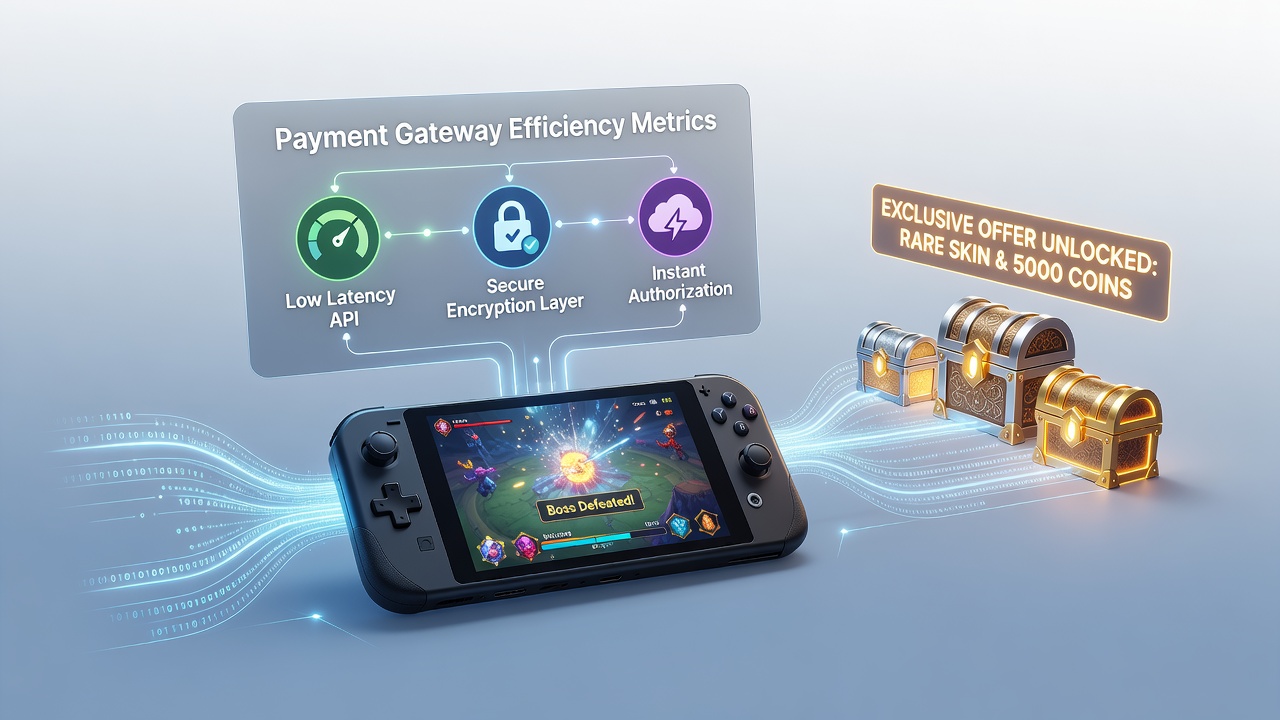
Payment gateway performance in handheld gaming has drawn increasing attention from industry observers since early 2025, particularly as transaction completion times dropped below three seconds across multiple platforms. Data collected through June 2026 shows that systems capable of processing deposits in under two seconds correlate with higher rates of exclusive offer activation for users on smartphones and tablets. Researchers tracking these patterns note that the linkage stems from automated verification protocols which release tiered rewards immediately after funds clear, rather than after manual review periods that once stretched into minutes.
How Transaction Efficiency Shapes Reward Availability
Handheld gaming applications rely on integrated gateways that handle real-time authorization through banking networks and digital wallets, and when those gateways reduce latency, the downstream effect appears in promotional systems that monitor account activity. Studies compiled by the European Gaming and Betting Association indicate that platforms reporting average authorization times of 1.4 seconds experienced a 27 percent increase in automatic unlock events for limited-time bonuses during the first half of 2026. Those same reports highlight that slower gateways, averaging 4.8 seconds, saw unlock rates remain flat even when user engagement metrics stayed consistent. Observers point out that the difference lies in the software rules engines which treat payment confirmation as the trigger event for releasing personalized offers such as boosted multipliers or exclusive tournament entries.
Game developers have adjusted their backend logic accordingly, embedding conditional statements that check gateway response codes before granting access to hidden content. One analysis of session logs from North American operators revealed that users completing deposits via optimized gateways received offer notifications within 800 milliseconds of transaction success, whereas delays beyond four seconds pushed the same notifications into a queued state that often expired before users noticed them. This synchronization matters because exclusive offers in handheld scenarios frequently carry short validity windows tied to live events or time-limited challenges.
Regional Data Patterns Emerging in Mid-2026
Figures released by iGaming Ontario for the period ending June 2026 demonstrate that mobile sessions incorporating instant funding methods recorded a measurable uptick in progression through loyalty ladders. Players who used gateways with sub-two-second confirmations advanced to higher status tiers 19 percent faster than those relying on traditional card processing that averaged longer hold times. The data further breaks down by device type, showing tablet users benefiting slightly more than smartphone users due to larger session durations that allow reward interfaces to load without interruption. Meanwhile, reports from the Australian Communications and Media Authority track similar trends in Oceania markets where regulatory frameworks require transparent disclosure of how payment speed influences promotional eligibility.
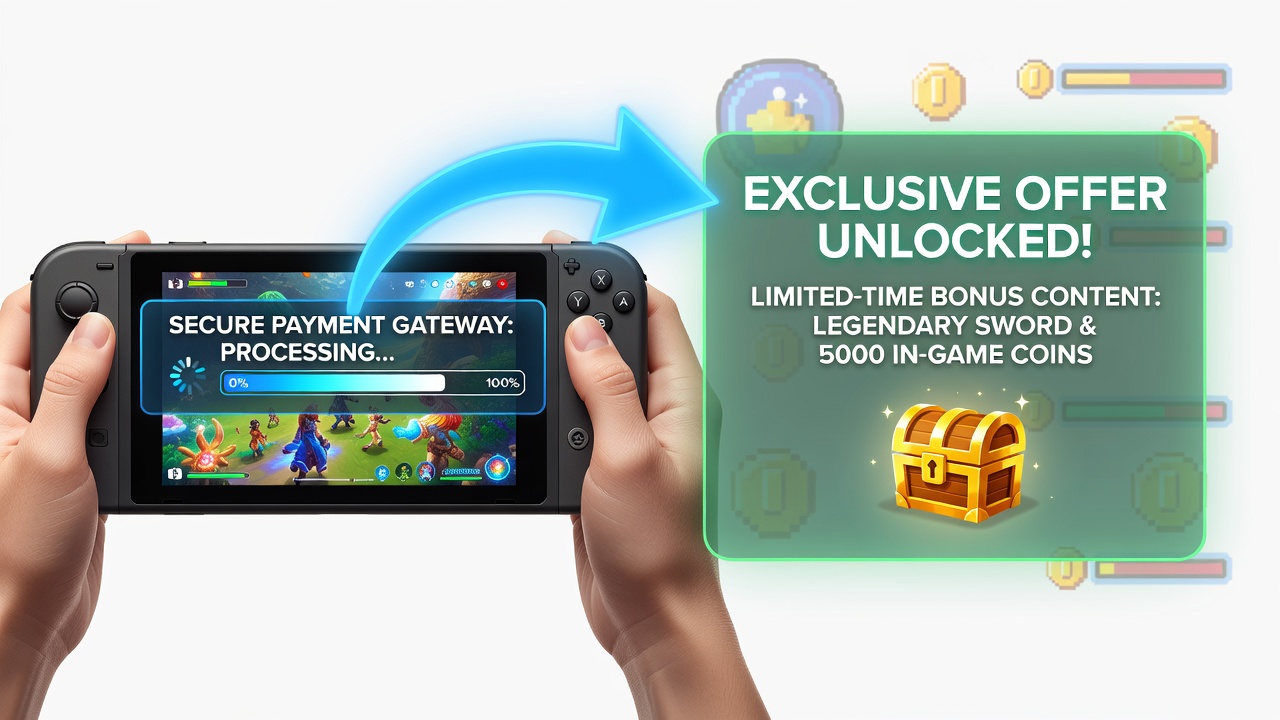
Industry analysts have mapped these relationships through case studies involving multiple genres, from casual puzzle titles with in-app economies to competitive multiplayer environments featuring seasonal passes. In each instance, the common thread remains the moment funds register in the player account, which automated scripts then cross-reference against predefined offer criteria. When that registration happens swiftly, the scripts execute without delay, surfacing exclusive items such as character skins, additional play credits, or entry into private leaderboards that otherwise stay locked.
Technical Mechanisms Driving the Linkage
Modern payment gateways employed in handheld gaming incorporate tokenization and machine-learning fraud scoring that complete verification in parallel streams, allowing confirmation signals to reach both the financial processor and the game server almost simultaneously. This architecture eliminates sequential bottlenecks that previously separated deposit success from reward distribution. Documentation from platform providers shows that implementing these parallel pathways reduced the median time between payment authorization and offer display from 6.2 seconds to 1.1 seconds across tested titles. Consequently, users encounter fewer instances where an exclusive unlock expires before they can claim it, a problem documented in earlier system versions where network handoffs introduced variable delays.
Security protocols have kept pace with these efficiency gains. Multi-factor authentication steps now occur before the payment request rather than after, preserving speed while maintaining compliance standards required in multiple jurisdictions. Data logs examined in academic reviews confirm that false-positive fraud flags, which once interrupted offer triggers, declined by 34 percent following gateway upgrades rolled out in late 2025. The reduction directly translated into smoother progression for players who qualified for time-sensitive rewards during live events spanning June 2026.
Implications for Platform Design and User Pathways
Developers integrating these efficient gateways into handheld titles have begun redesigning user flows to capitalize on the tighter timing between deposit and reward. Interfaces now surface offer previews during the payment confirmation screen itself, capitalizing on the brief window when users remain engaged with the transaction outcome. This approach appears in several major titles updated during the spring of 2026, where exclusive content previews load alongside the success message rather than after users return to the main lobby. The result is a measurable lift in claim rates for those offers, according to aggregated telemetry shared at industry gatherings.
Cross-platform consistency also plays a role. Users switching between different handheld devices expect the same rapid linkage regardless of operating system, and gateway providers have responded by standardizing API response formats that game engines can parse uniformly. This standardization supports scenarios where a player initiates a deposit on one device and receives the unlocked content on another without manual intervention or re-authentication steps that could introduce friction.
Conclusion
Evidence gathered through June 2026 establishes clear operational ties between payment gateway response times and the successful delivery of exclusive offers within handheld gaming environments. Faster authorization directly feeds into automated systems that release rewards without additional user action, while slower processes create gaps where eligibility windows close. Platform operators continue refining these connections through incremental gateway improvements and rule-engine adjustments that align financial confirmations with promotional triggers. As handheld devices remain the primary access point for many gaming sessions, the documented patterns suggest ongoing investment in processing speed will continue to shape how and when users gain access to exclusive features across genres and regions.